
Around 1670, Flemish painter Cornelius Norbertus Gysbrechts painted his trompe-l’œil masterpiece The Reverse of a Framed Painting, depicting just that, the back of a framed canvas, in oil. There is no indication of what the front, the actual painting, shows. Part of the enduring fascination of Gysbrechts’ painting is its foreshadowing of various modern and contemporary art practices; there seems to be an overlap with the concerns of conceptual art, of institutional critique, and while the painting is clearly figurative, to our eyes it seems almost abstract.
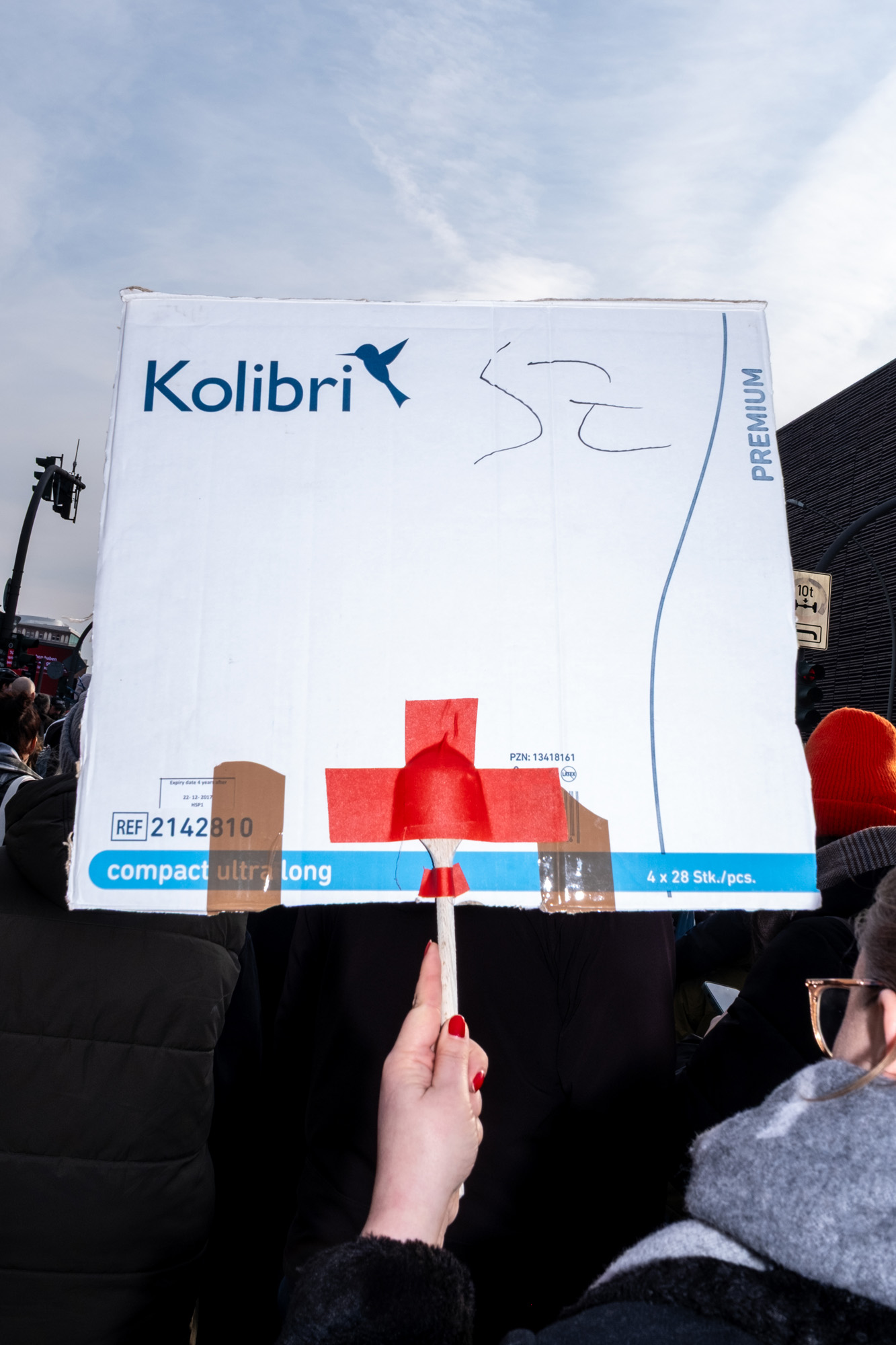
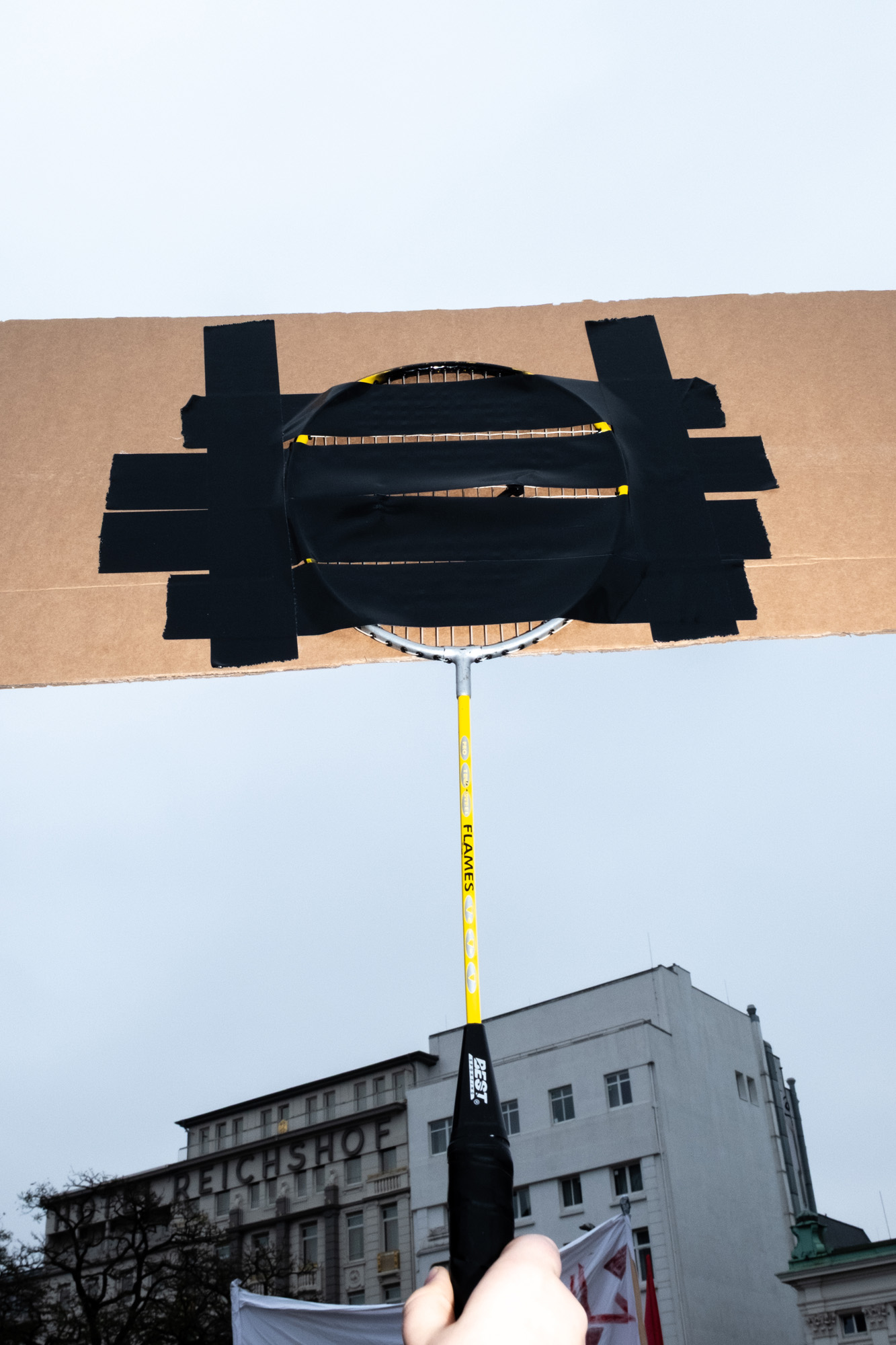
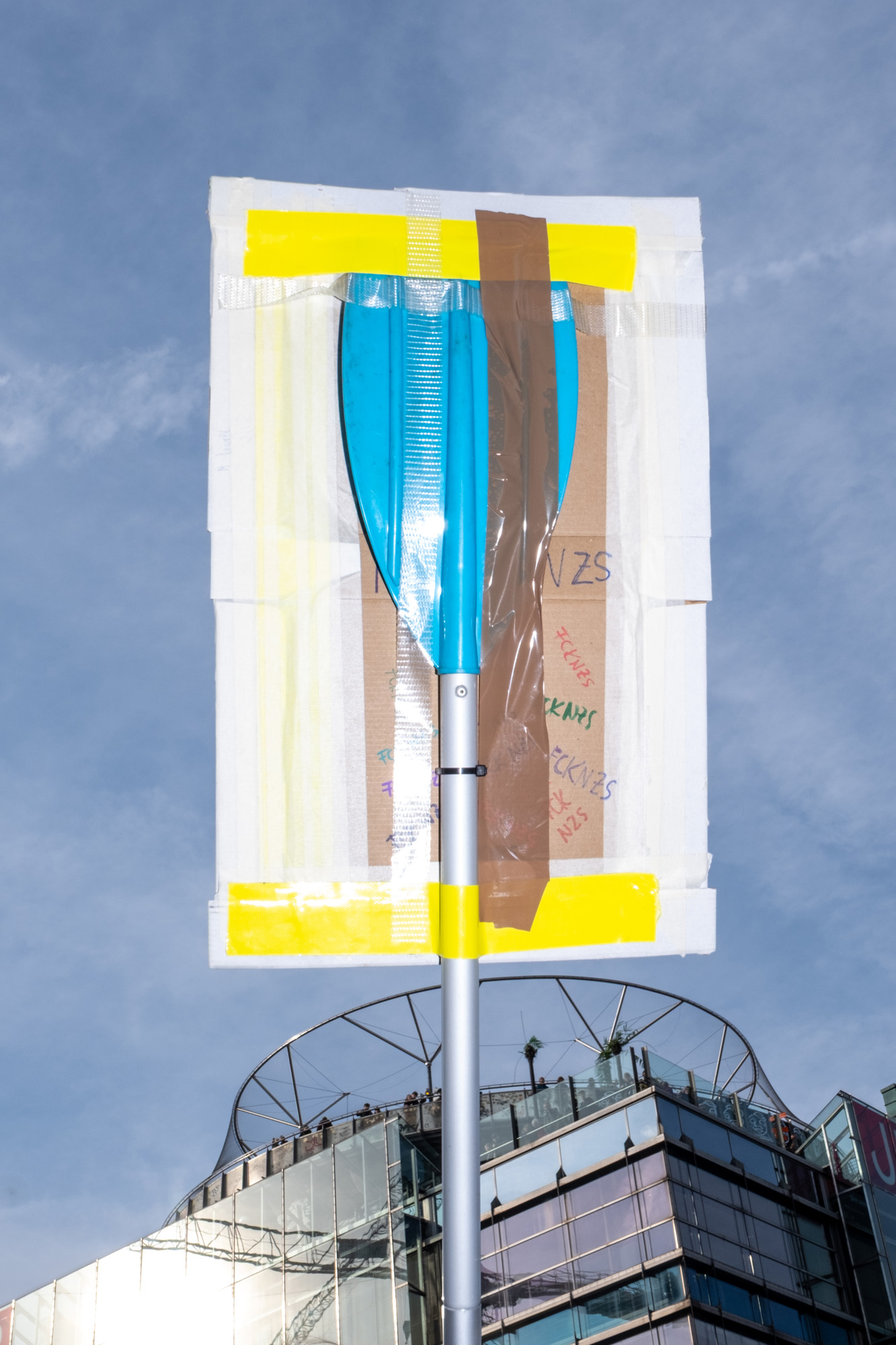
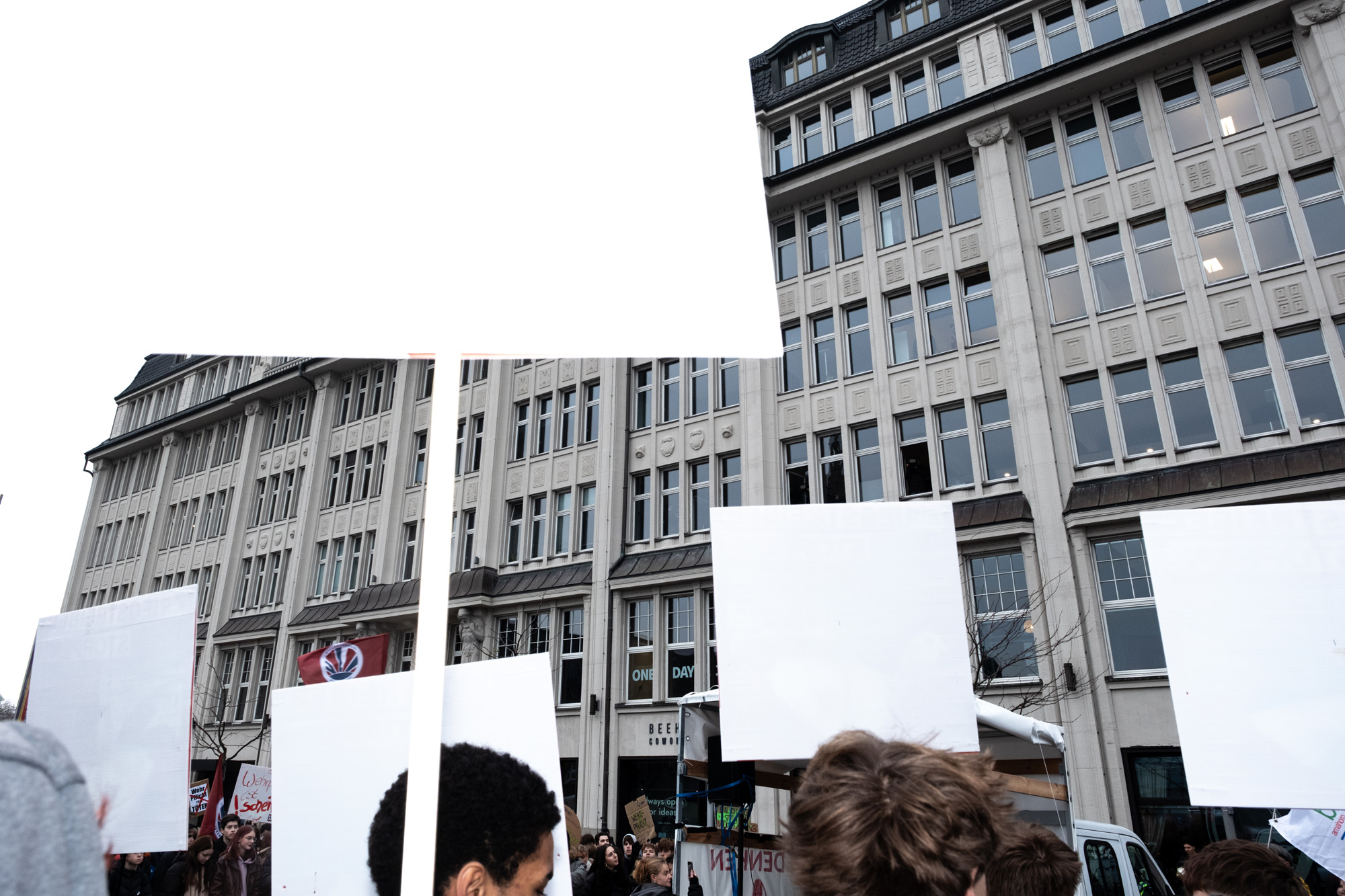
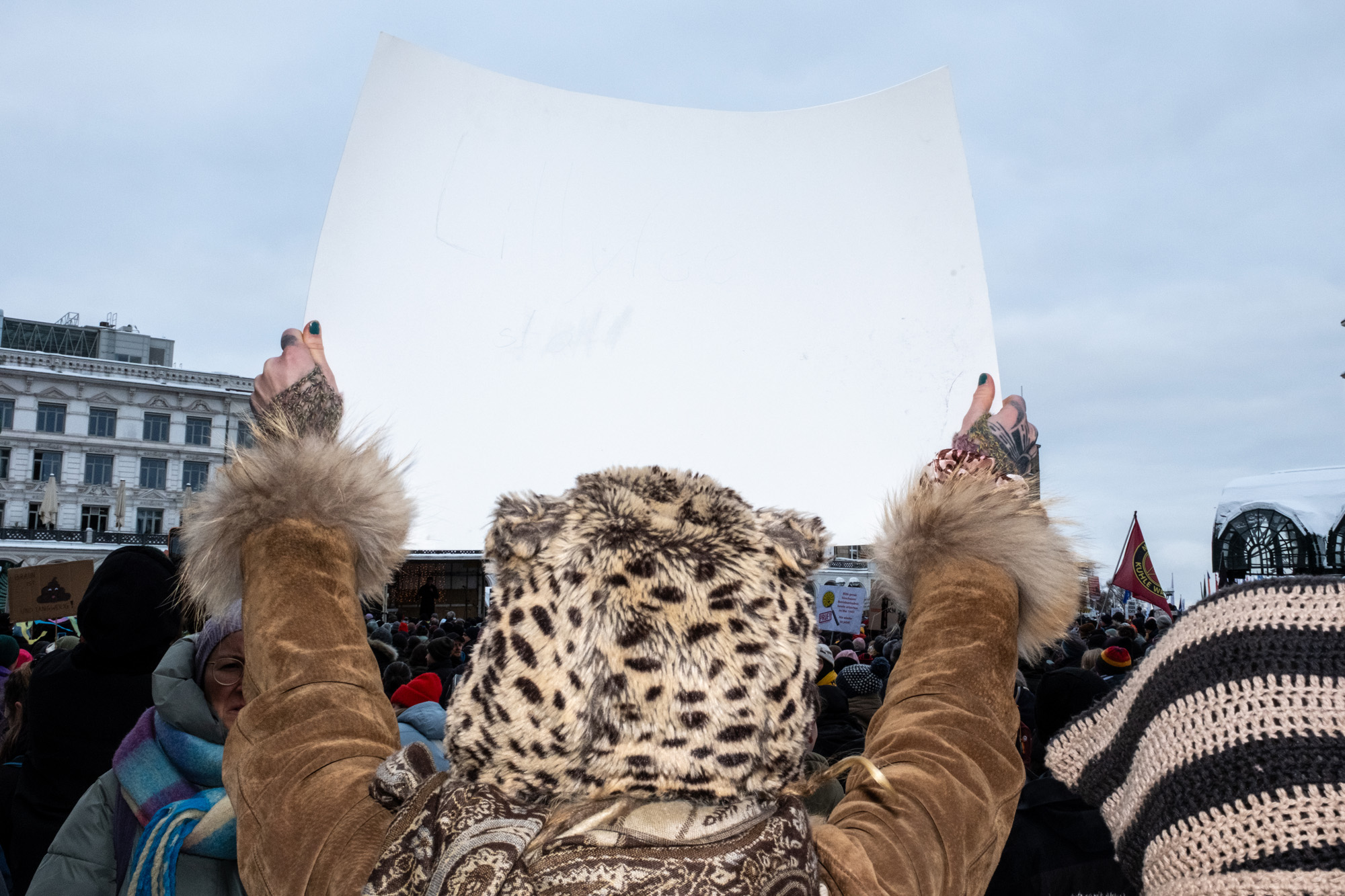
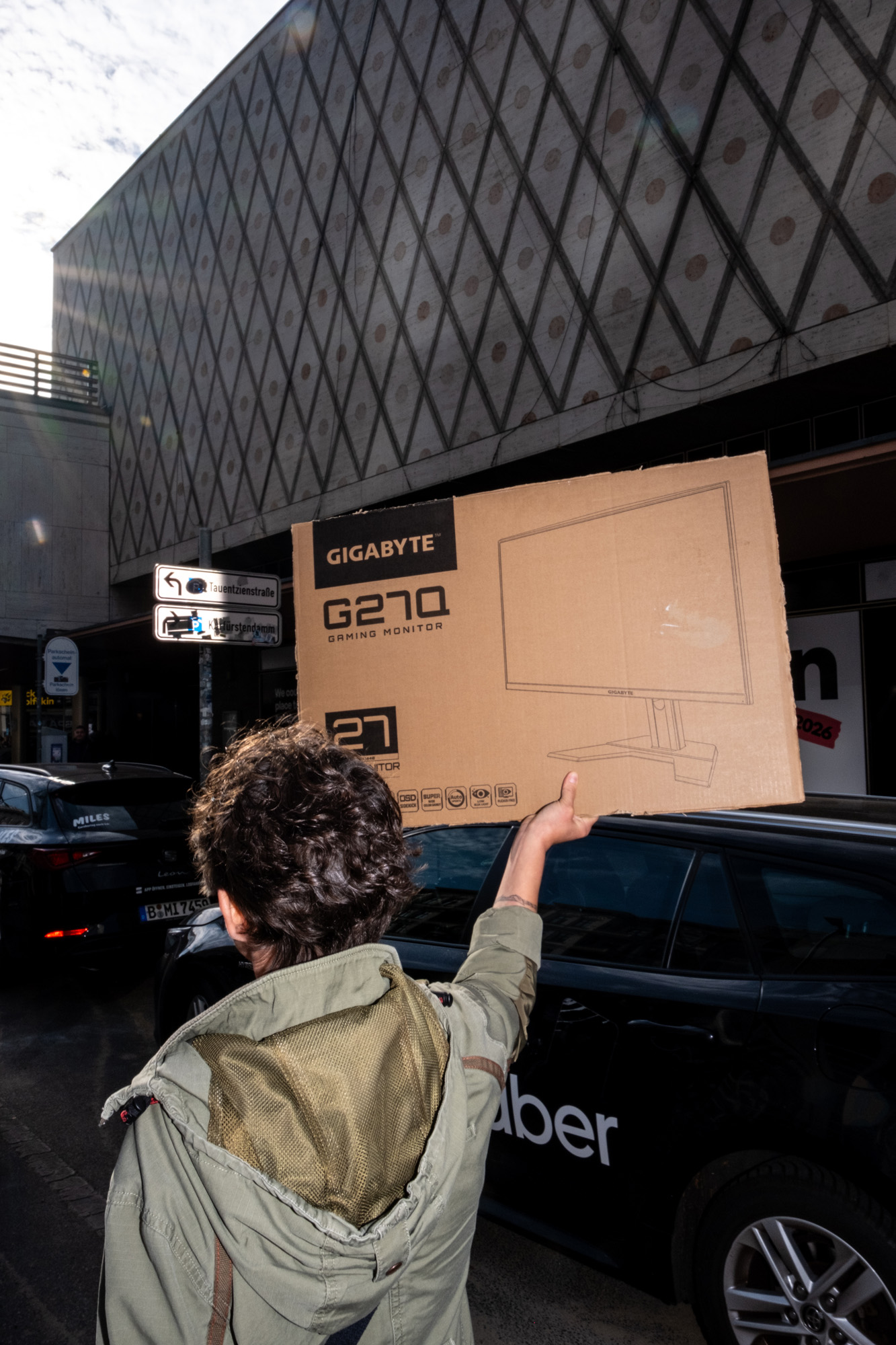
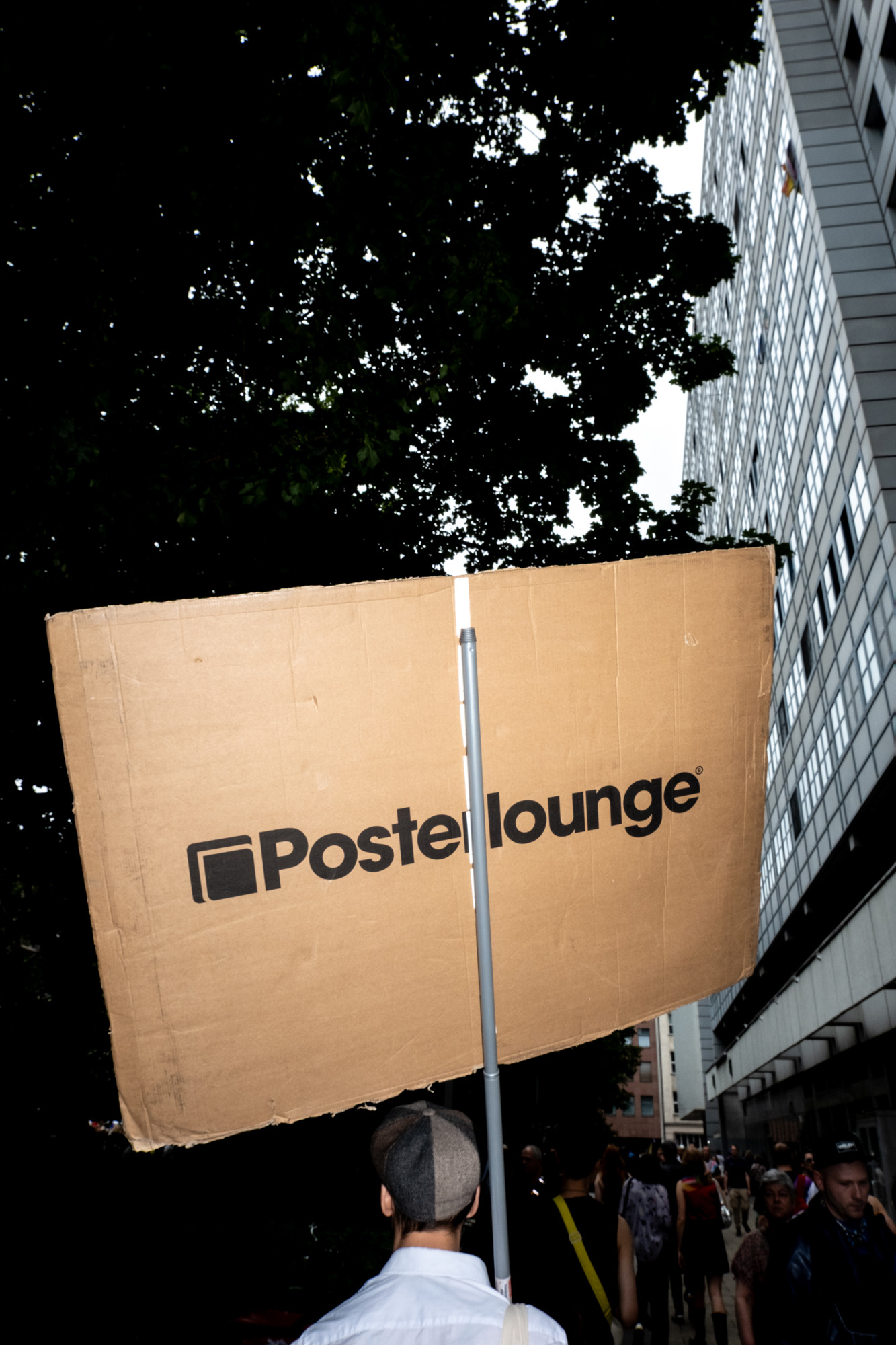
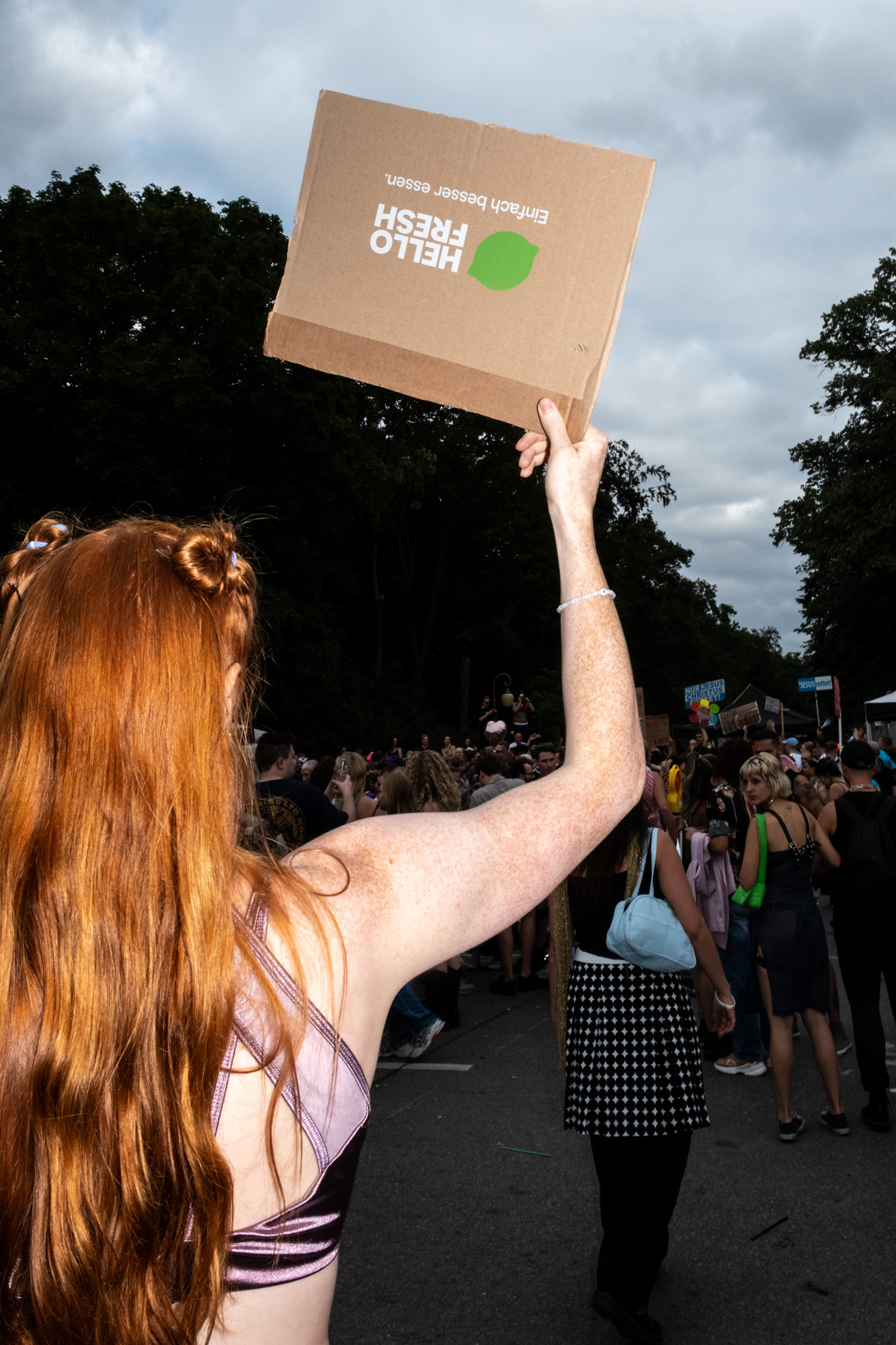
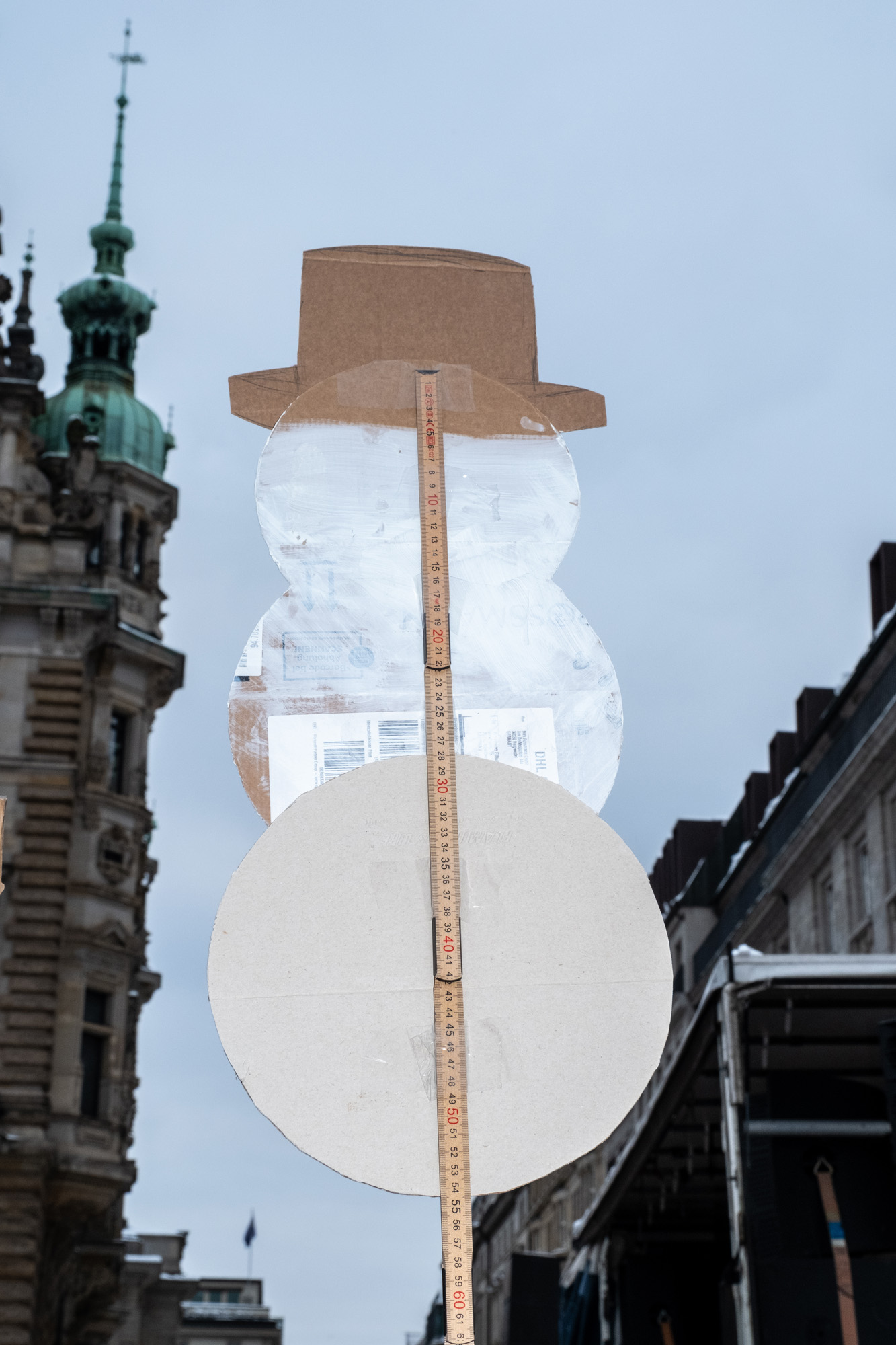
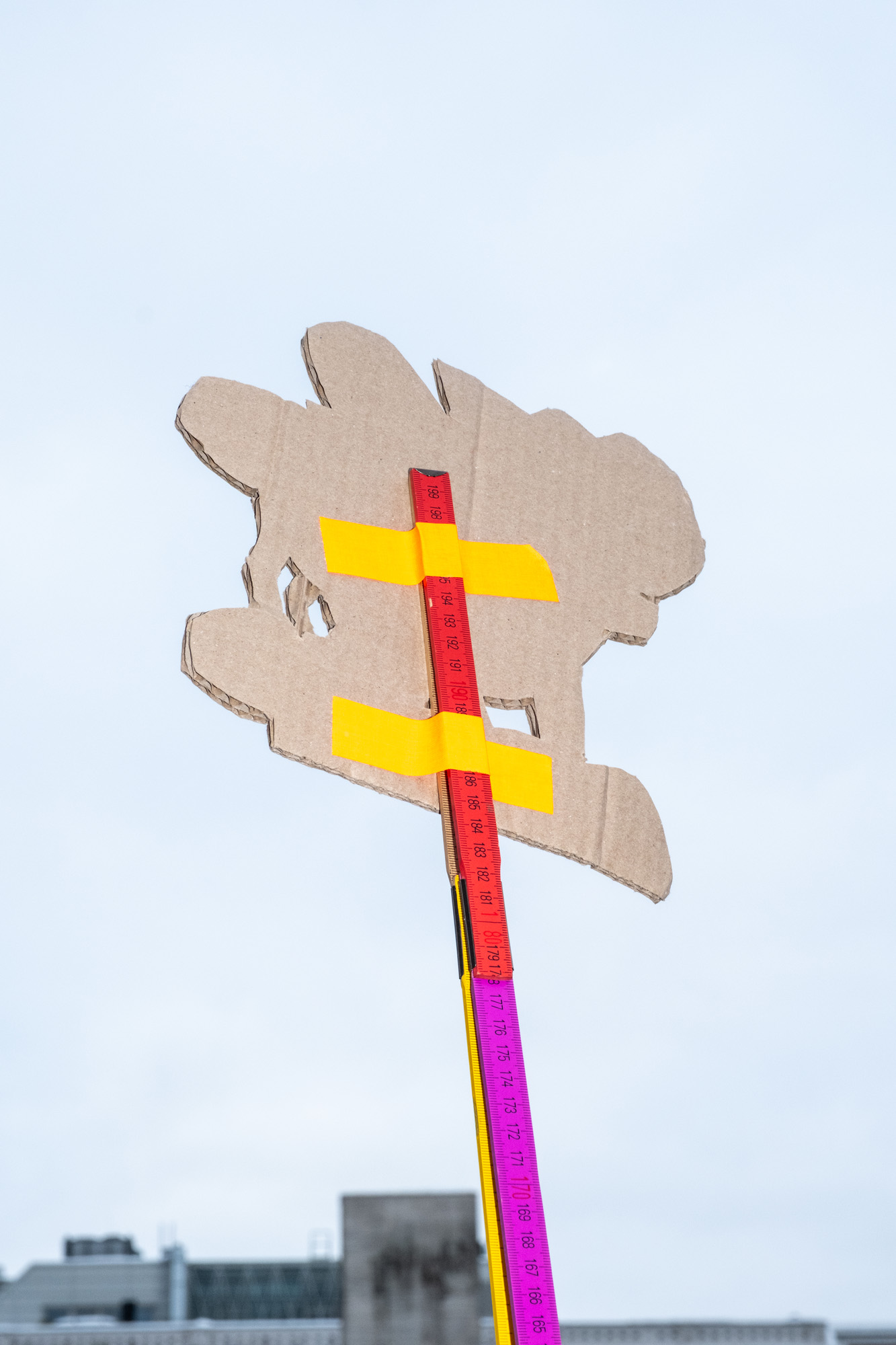
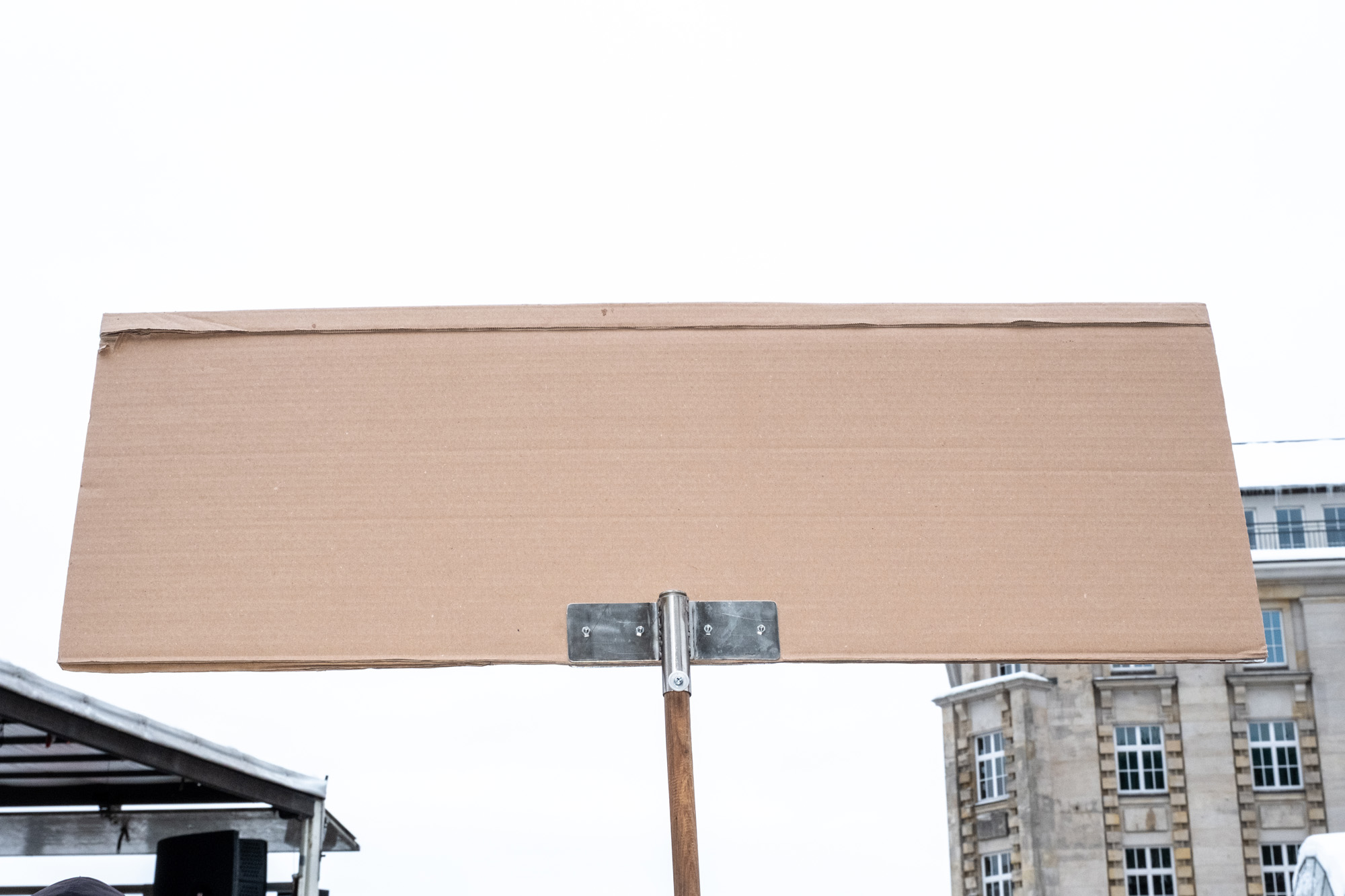
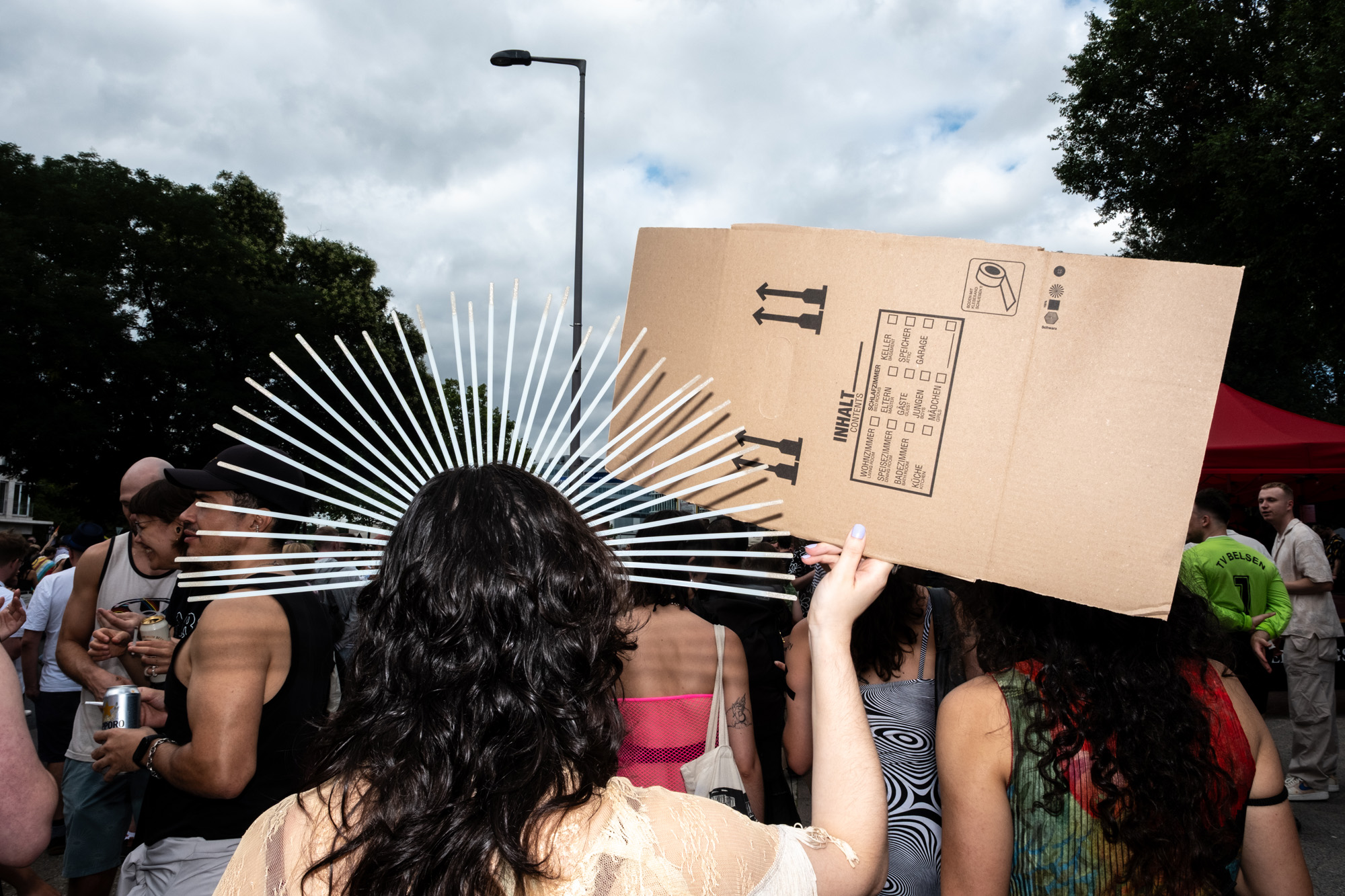
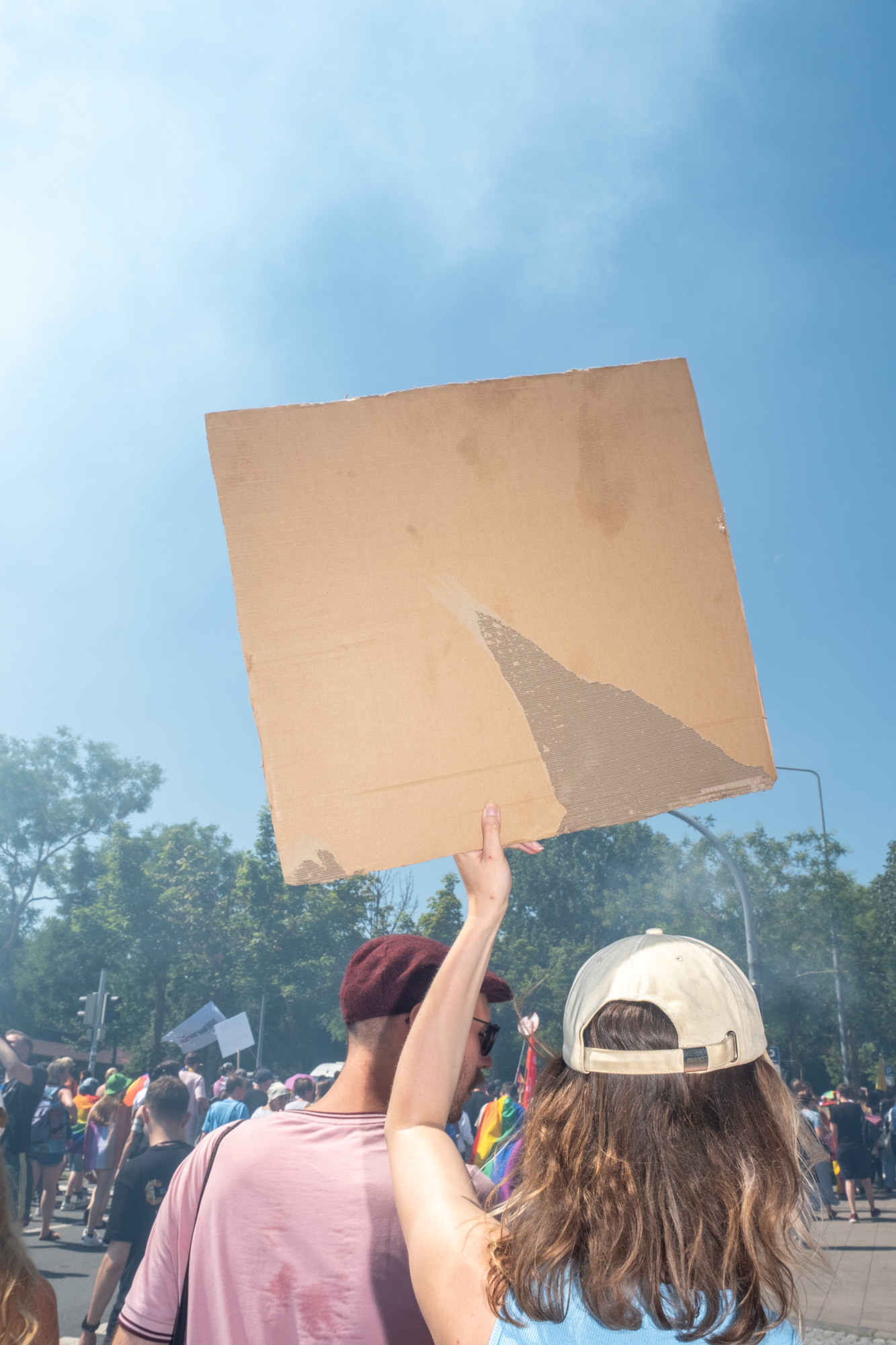
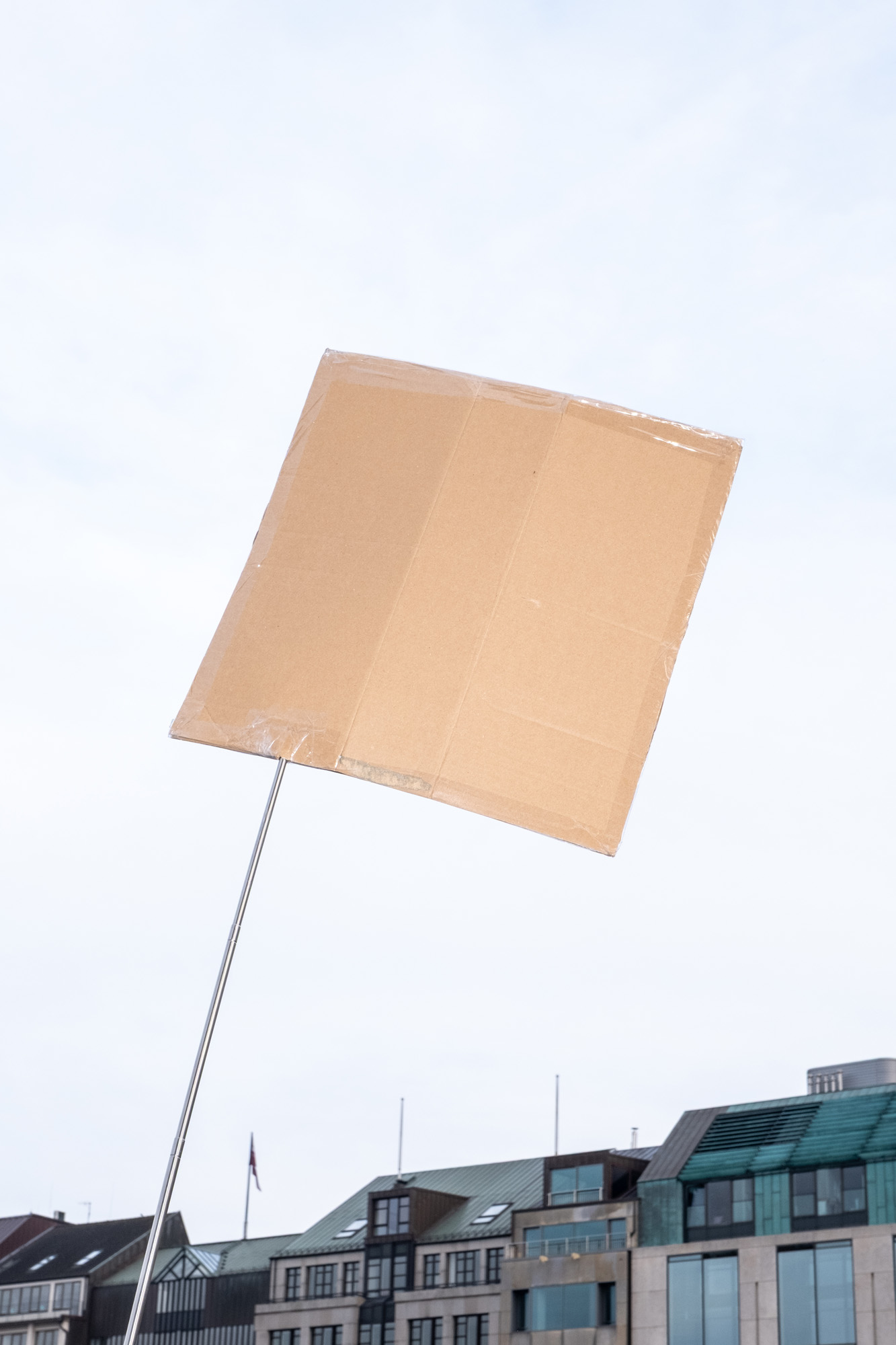
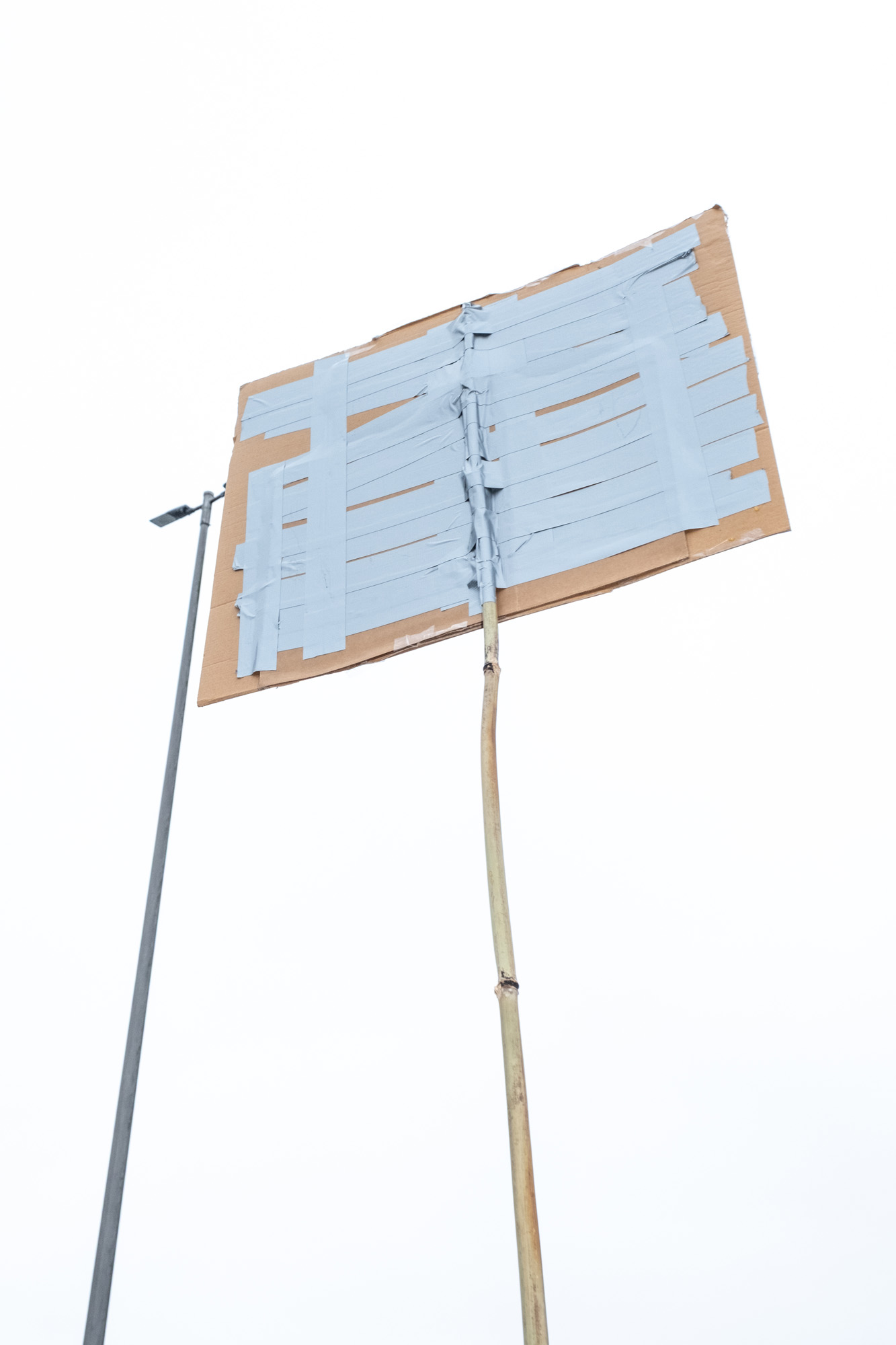
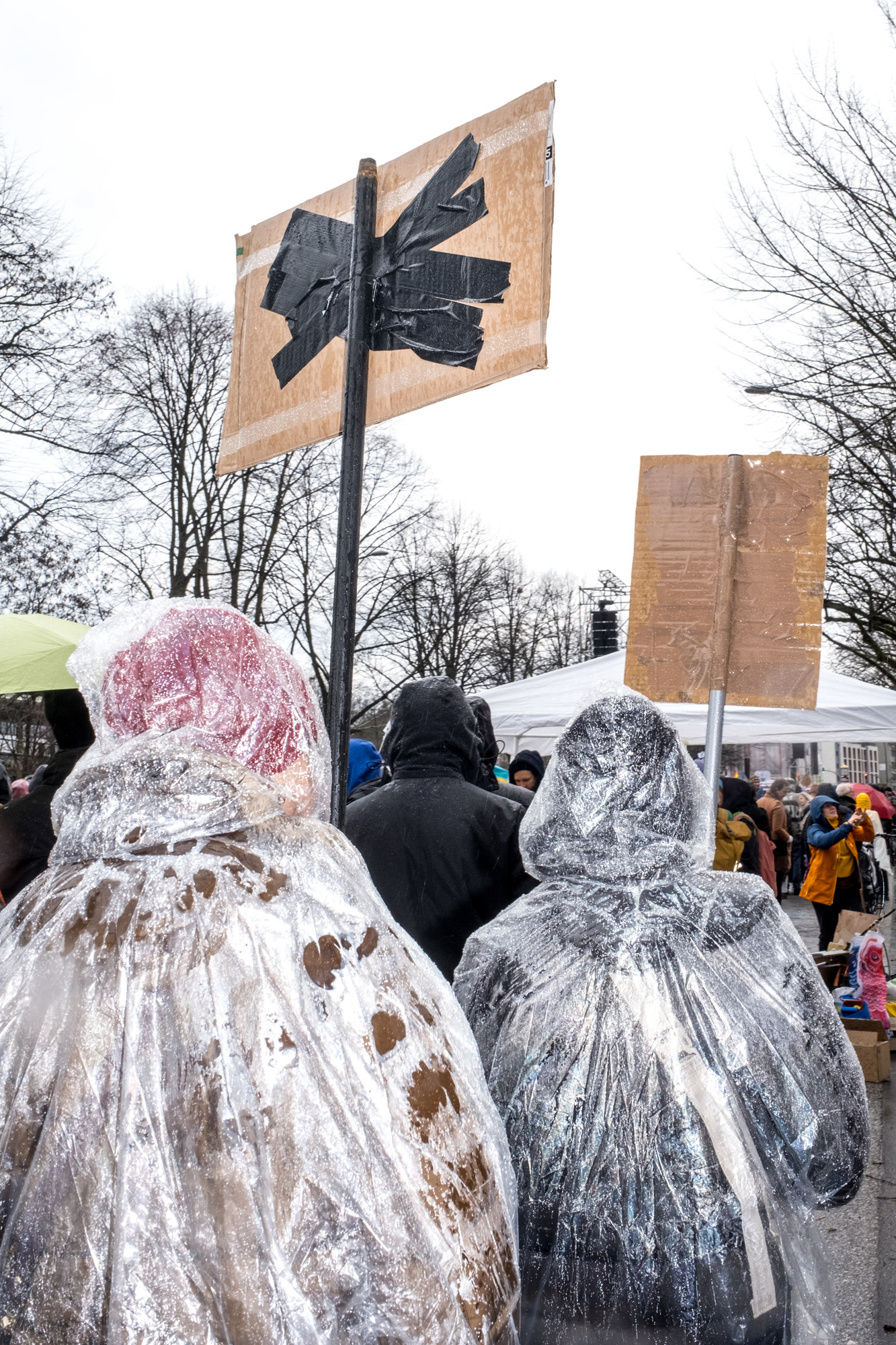
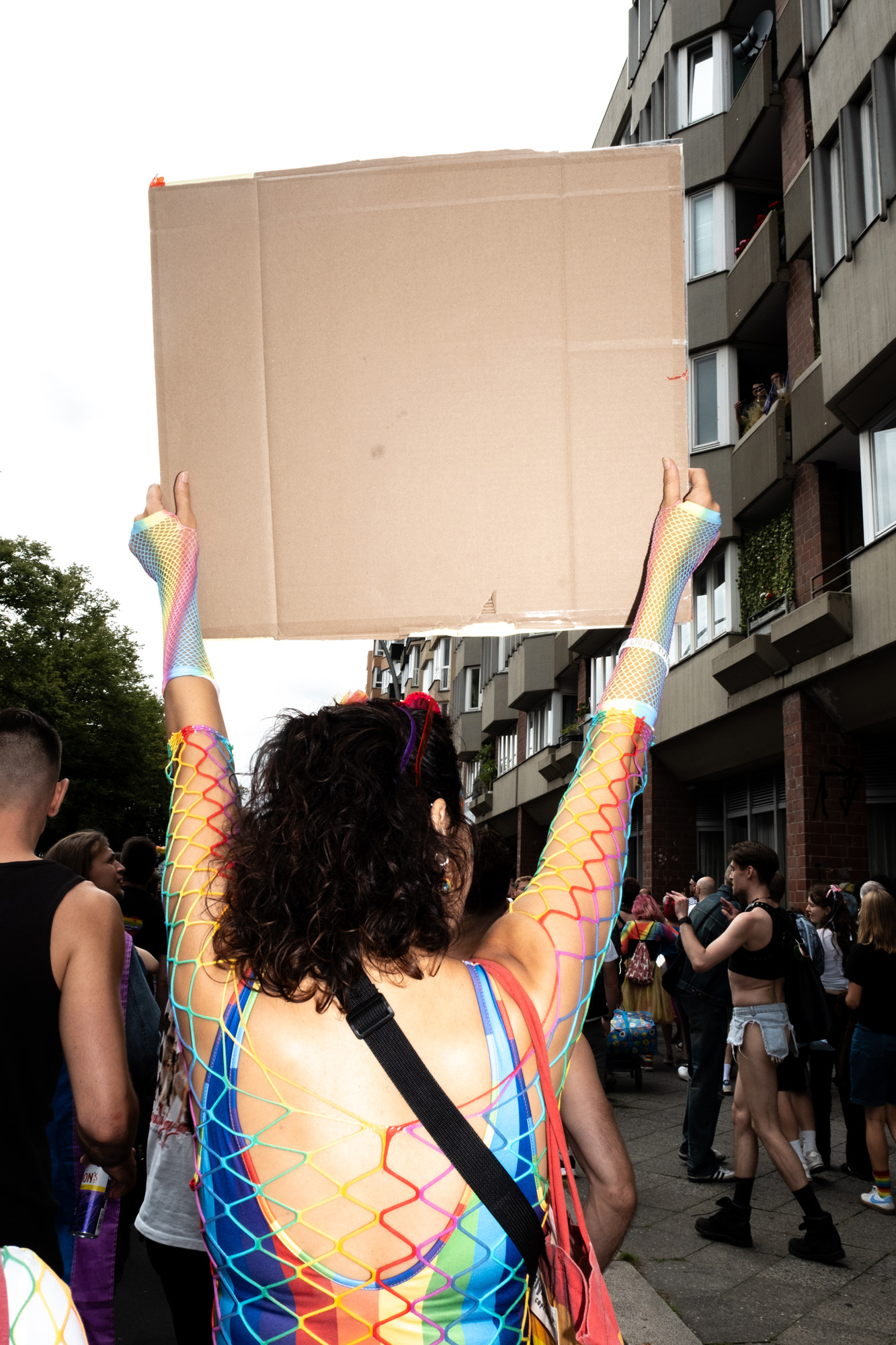
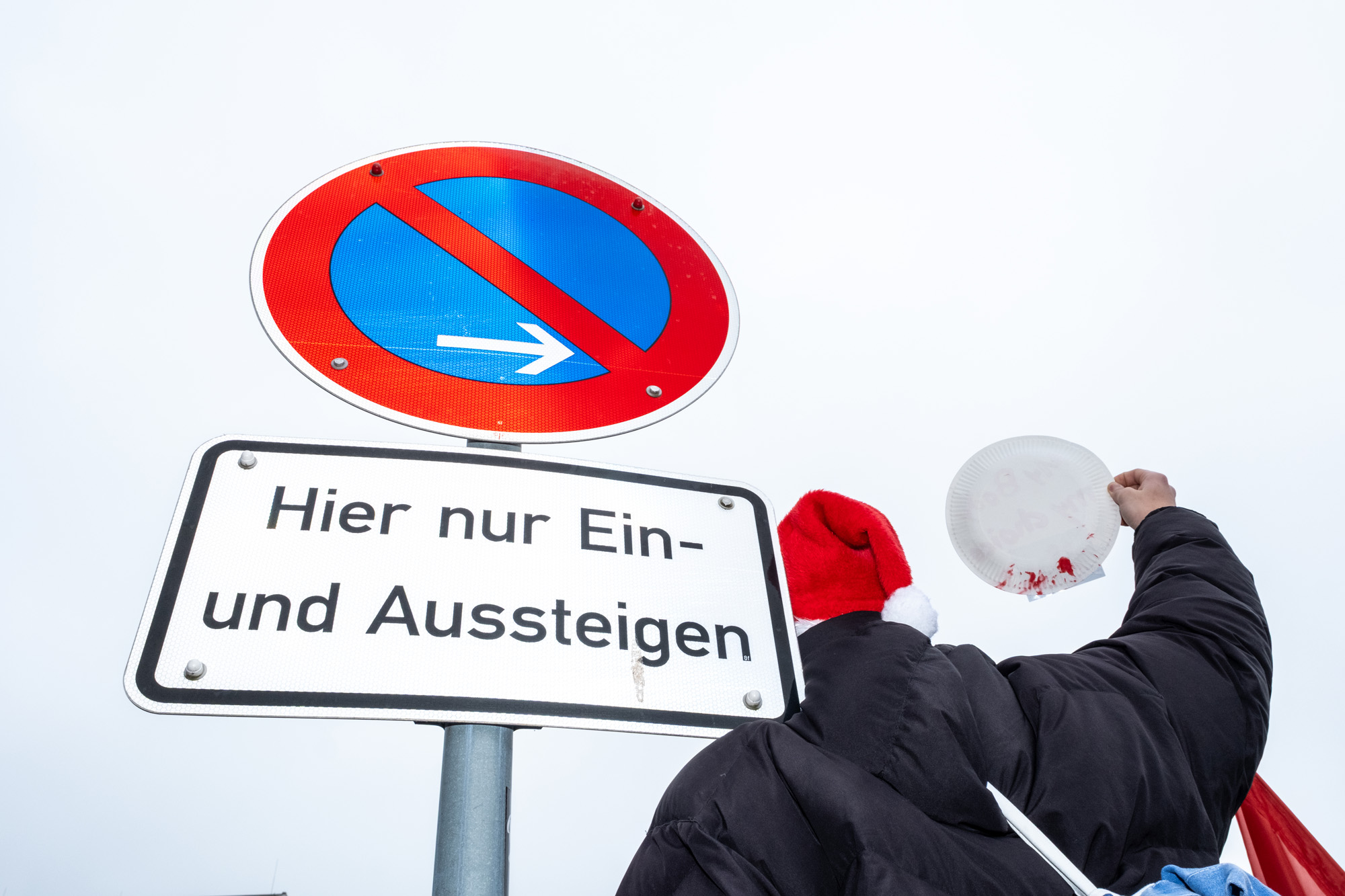
The backs of protest signs, too, sometimes echo the visual language of modern and contemporary art; tools of art-making are often employed in their production, as well as found materials. While this visual similarity is usually unintentional, it is what first steered my attention to the backs of protest signs. Other aspects are of course also of interest, not least the increased availability of cardboard as a result of the proliferation of online shopping. Protest signs accordingly often recycle cardboard packaging; one side-effect of this practice is that the backs of protest signs sometimes display brand names or advertising, leading to a strange discrepancy in the messaging depending on what side of the sign one is looking at.
However, this photographic archive of the backs of protest signs is not meant to disregard the messages on the front: You are much more likely to notice the backs of protest signs when you are marching along with a demonstration.
On the contrary, the series The Reverse celebrates the improvised nature of protest and the ingenuity and inventiveness that goes into the construction of protest signs.
2024 – ongoing.